Physical therapy is one of the commonly used approaches in the treatment of scoliosis in children.
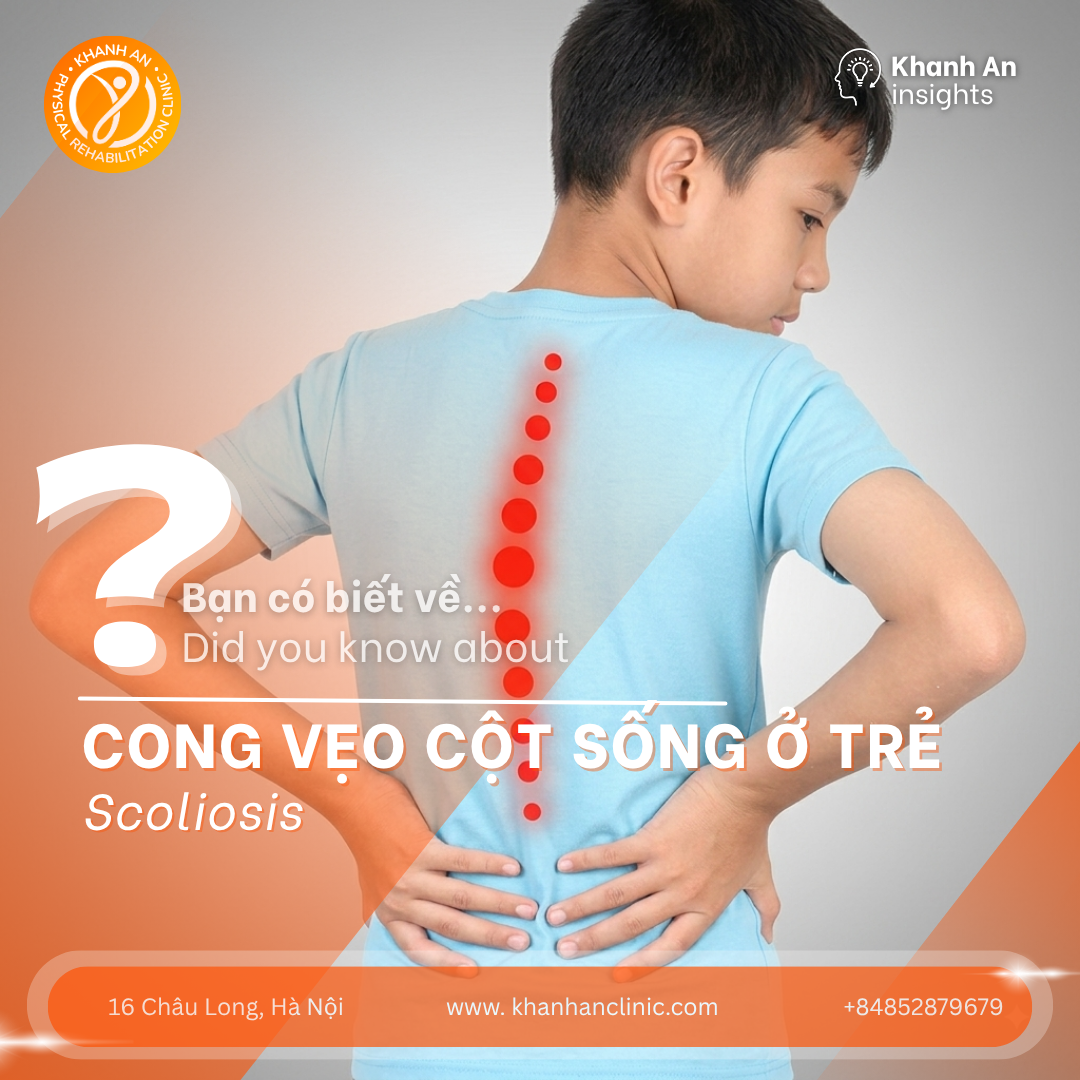
Scoliosis in children requires early detection and timely intervention. With proper evaluation and the right treatment approach, children can significantly improve their posture, control spinal curvature, and prevent progressive deformities—reducing the need for surgical intervention in appropriate cases.
Physical therapy is one of the most widely used conservative treatments today. Designed around a personalized program for each child, physical therapy helps restore muscle balance, correct posture, enhance spinal control, and prevent the condition from worsening.
How Does Physical Therapy Support Scoliosis Treatment in Children?
A child’s physical therapy regimen is customized based on age, underlying cause, degree of curvature, and overall physical condition. Key methods include:
• Personalized Exercise Programs:
Physical therapists guide children through tailored exercises to stretch tight muscle groups and strengthen the core, back, and abdominal muscles—improving overall muscle balance and supporting proper alignment.
• Specialized Exercises:
Targeted orthopedic exercises, particularly 3D scoliosis movement strategies, help children build posture awareness, regain structural control, and support better respiratory mechanics when suitable.
• Supportive Physical Therapy Modalities:
Depending on the child's needs, specialists may integrate thermal therapy, infrared light, or muscle relaxation techniques to alleviate pain, ease muscle tension, and prepare the body for training.
• Bracing Integration When Necessary:
For structural scoliosis—especially during active growth phases—orthotic braces may be prescribed by a specialist. Braces must be custom-fitted, worn as prescribed, and strictly combined with a structured exercise routine.
Parents Play a Crucial Role in the Treatment Journey
Beyond professional medical care, parental support is key to maintaining long-term results.
• Early Medical Evaluation:
If you notice signs such as uneven shoulders, a prominent shoulder blade, an asymmetrical waist, or a visible body tilt, consult a specialist promptly. X-rays and Cobb angle measurements will be taken to evaluate the degree of curvature accurately.
• Distinguishing Curvature Types:
Functional (postural) and structural scoliosis require entirely different treatment approaches. A thorough professional assessment ensures the correct exercise regimen or bracing plan is applied.
• Consistency & Regular Follow-ups:
Parents should actively encourage and guide children through their home exercise routines. Scheduled follow-ups allow specialists to track spinal growth, assess progress, and adjust the program as needed.
Scoliosis should never be overlooked, especially during a child's growth spurts. Early detection and targeted care empower children to maintain control over their spinal health, improve their posture, and thrive physically.
Backed by a highly trained team and modern equipment, Khanh An Physical Rehabilitation Clinic delivers personalized rehabilitation programs tailored to your child's unique needs. If you notice postural abnormalities or have concerns about your child's spinal health, reach out to us today for an expert assessment and guidance.
Khanh An Clinic is the leading medical provider of physiotherapy and treatment for patients with various musculoskeletal conditions. We are dedicated to helping patients restore their full body function and achieve lasting recovery.


