Aches and Pains Intensify When Temperatures Drop
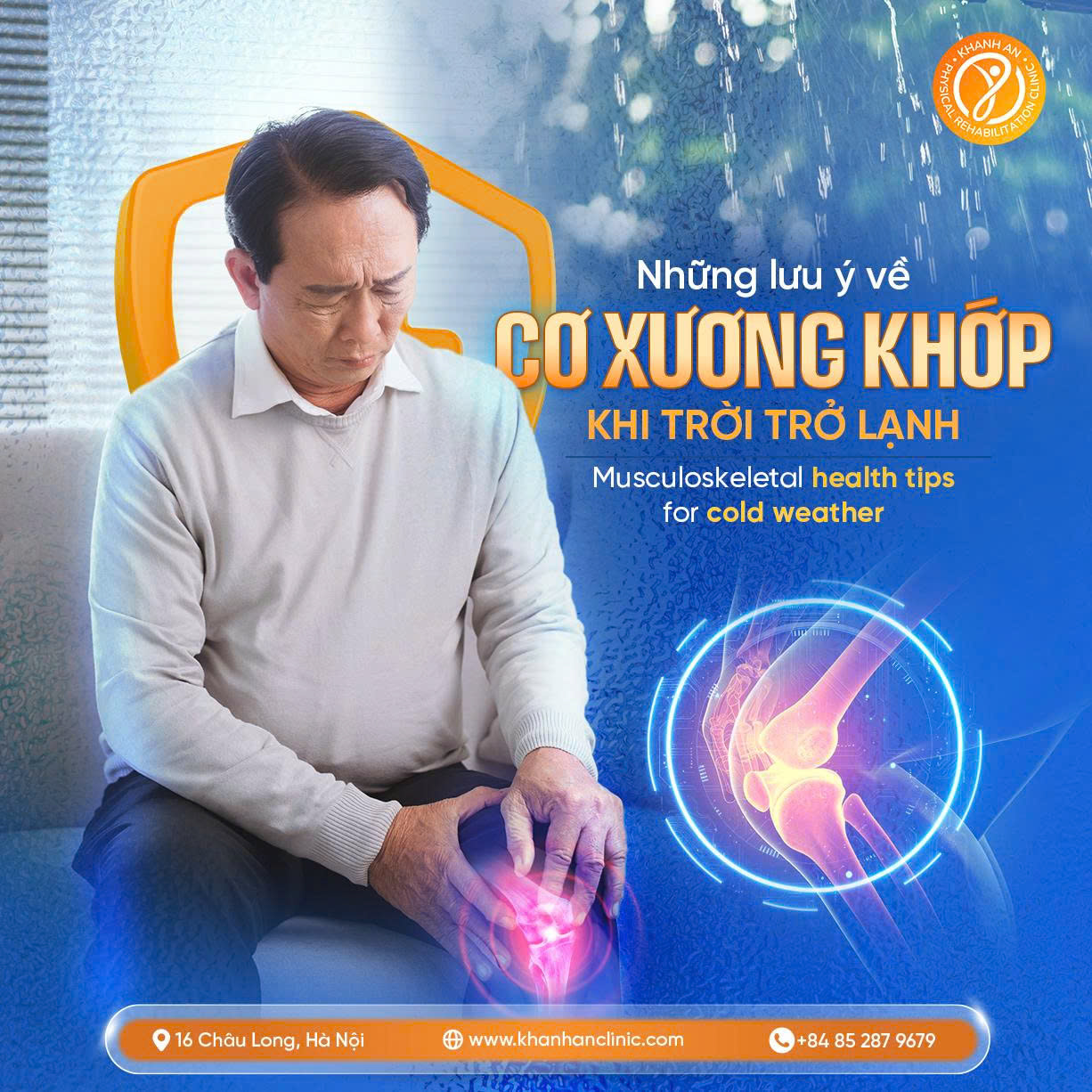
As the cold wind starts to blow, it's not just a signal to pull out sweaters and enjoy a hot drink. For many, it's the beginning of a season plagued by nagging joint and muscle pain. Is this the body "predicting" the weather, or just a coincidence? In reality, this is a well-documented phenomenon with scientific backing and a serious health warning that should not be ignored.
Medical experts point to several reasons for the strong link between cold weather and joint pain:
Changes in Atmospheric Pressure: Cold weather often brings a drop in barometric pressure. This decrease can cause the tissues, muscles, and cartilage around your joints to expand slightly. This expansion puts pressure on already inflamed or damaged joints, triggering pain.
Increased Synovial Fluid Viscosity: Synovial fluid acts as a lubricant, allowing joints to move smoothly. In colder temperatures, this fluid can become thicker and more viscous, reducing its lubricating ability. The result is stiffer, more difficult movement and increased friction, leading to pain and stiffness, especially upon waking.
Blood Vessel Constriction: To conserve core body heat, blood vessels in the extremities constrict in the cold. This reduces blood flow to the muscles and joints, depriving them of optimal oxygen and nutrients. This ischemia (lack of blood flow) makes the joints more sensitive and prone to pain.
Increased Nerve Sensitivity: Cold, damp air can stimulate the sensory nerves around the joints, effectively lowering the body's pain threshold. Consequently, you feel pain more intensely than you would otherwise.
Changes in Activity Levels: During colder months, people tend to be less active, preferring to stay curled up indoors. Remaining in one position for too long or being sedentary can cause joints to become stiff and painful.
The elderly (due to natural aging processes).
People with a history of joint or bone injuries (fractures, sprains, post-surgery).
Individuals with chronic musculoskeletal conditions:
Osteoarthritis: (knees, spine, hips).
Rheumatoid Arthritis: An autoimmune disease often flared up by weather changes.
Gout: Gout attacks are frequently triggered by cold weather.
Psoriatic Arthritis, Lupus, etc.
To manage your pain and "live in harmony" with the weather, proactively implement these strategies:
Keep Warm - THE TOP PRIORITY:
Dress in warm layers, paying special attention to vulnerable joints like knees, hands, feet, neck, and lower back. Consider using gloves, thick socks, and thermal braces.
Take warm showers or baths. Soak your feet in warm water with ginger or salt before bed to improve blood circulation.
Smart Exercise and Movement:
Avoid sitting or lying in one position for too long. Get up and move gently every 30-60 minutes.
Maintain a routine of gentle exercises like walking, yoga, tai chi, or swimming (in a heated pool) to enhance joint flexibility and improve blood flow.
Always warm up properly before exercising.
An "Anti-Inflammatory" Diet:
Eat More: Foods rich in Omega-3s (salmon, tuna), Calcium (dairy, seafood), Vitamin D (sunlight, egg yolks), Vitamin C (oranges, grapefruit, guava), and antioxidants.
Limit: Fast food, fried foods, organ meats, red meat, alcohol, and tobacco, as they can promote inflammation in the body.
Healthy Lifestyle Habits:
Get adequate sleep and manage stress, as anxiety can worsen pain perception.
Maintain a healthy weight to reduce pressure on weight-bearing joints, especially the knees and spine.
Medication and Timely Medical Care:
Do NOT self-medicate with over-the-counter painkillers or increase dosage without a doctor's prescription.
If the pain is severe, persistent, or accompanied by swelling, redness, warmth in the joint, or limited mobility, promptly visit an Orthopedic or Rheumatology specialist for a proper diagnosis and treatment plan.
Those aches and pains when the temperature drops are your body's way of signaling its current state. Listen to it. By taking proactive steps for prevention and self-care starting today, you can build healthier bones and joints, allowing you to navigate the cold season with greater ease and comfort.
Khanh An Clinic is the leading medical provider of physiotherapy and treatment for patients with various musculoskeletal conditions. We are dedicated to helping patients restore their full body function and achieve lasting recovery.


