After a traffic accident, not all injuries appear immediately. Watch for symptoms such as neck pain, back pain, numbness, dizziness, or worsening pain so you can seek proper assessment and care when needed.
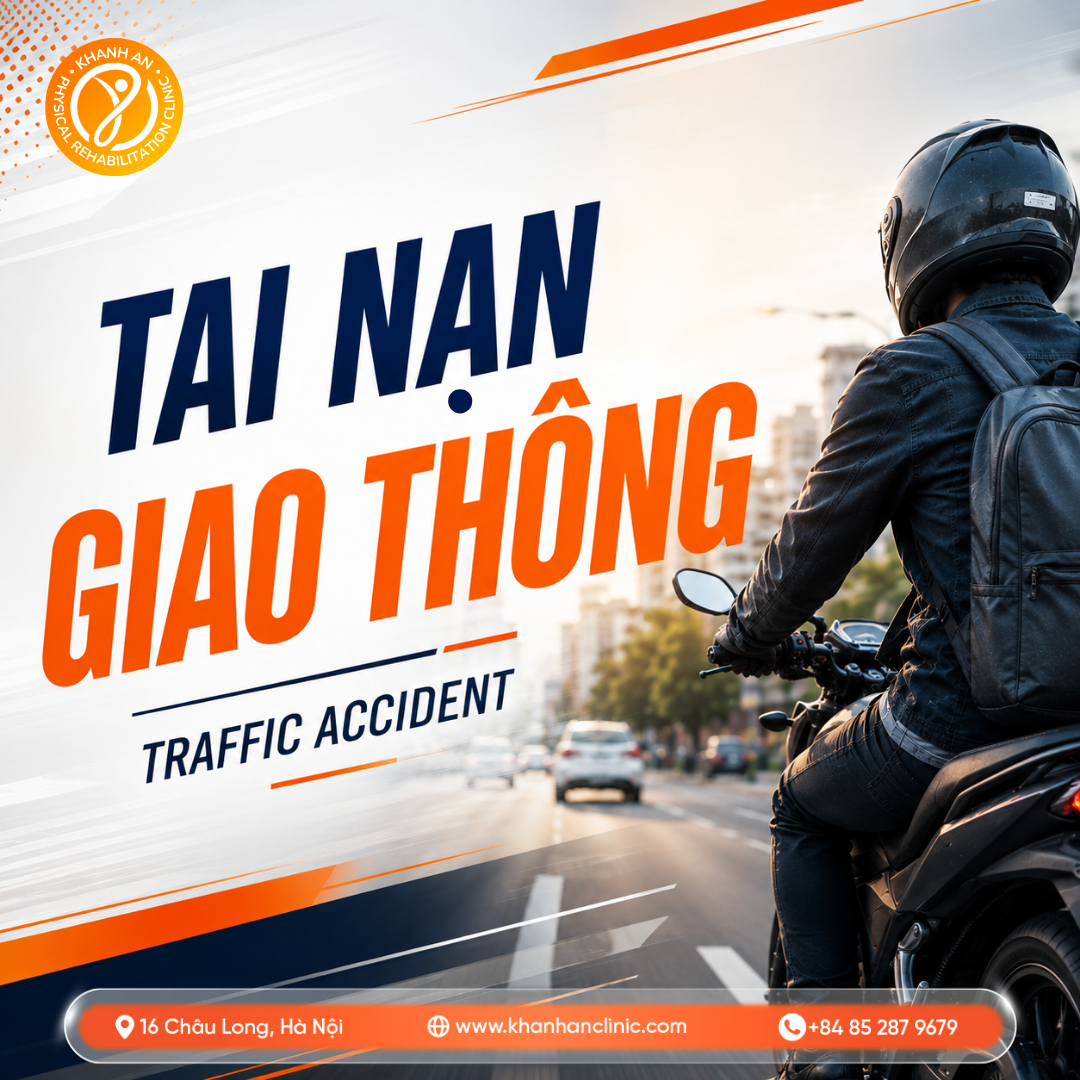
Traffic accidents can happen to anyone, whether it involves a motorcycle, car, bicycle, or a fall while on the road. Some injuries are obvious immediately, but many cases may seem “minor” at first: the person can stand up, walk, talk normally, and may not have major bleeding or visible injury.
The concern is that not all injuries appear immediately after impact. Pain can develop a few hours later, the next morning, or even several days after the accident. This is why it is important to monitor your body carefully after any traffic-related collision, even if you initially feel fine.
Right after an accident, the body often enters a stress response. Adrenaline rises, the nervous system becomes highly alert, and the body may temporarily mask pain so you can react to the situation.
You may think, “It is just a small scratch,” “It only hurts a little,” or “I can still walk, so it should be fine.”
However, once the body calms down, inflammation may begin. Injuries to muscles, ligaments, tendons, joints, or the spine may then become more noticeable. This is why many people say: “I felt okay right after the accident, but the next day my whole body hurt.”
Delayed pain does not always mean the injury is severe, but it does mean your body has been affected and should be observed properly.
During a collision or fall, the body can experience different types of force: direct impact, twisting, sudden jerking, or the instinctive reaction of using the hands or legs to protect the body. These forces can affect different areas.
After a traffic accident, it is important to observe your symptoms over the next few days. Pay attention to signs such as:
If there is severe headache, vomiting, confusion, loss of consciousness, weakness in the limbs, severe spinal pain, visible deformity, heavy bleeding, or difficulty breathing, emergency medical attention is needed immediately.
A common mistake after a traffic accident is focusing only on visible wounds. Scratches and cuts are easy to see, but internal injuries such as muscle strain, sprains, joint irritation, ligament injuries, or mild spinal trauma may not be obvious right away.
Sometimes the skin injury looks minor, but a few days later the person may develop neck pain, back pain, poor sleep, difficulty working, or limited movement. This is why listening to your body is just as important as cleaning the wound.
Your body may be sending warning signs through dull pain, stiffness, mild numbness, or reduced movement. These signs should not be ignored simply because there is no large visible wound.
The first step is safety. Move away from traffic if possible, turn off the vehicle, and check yourself and others for serious injuries.
If the accident involved strong impact, a fall, head injury, spinal pain, chest pain, difficulty breathing, or suspected fracture, medical assessment should be done as soon as possible. Avoid forcing yourself to stand up, continue driving, or move intensely if you feel severe pain or dizziness.
For minor accidents, you should still rest, monitor your symptoms, and avoid intense physical activity for the first 24–48 hours. Applying a cold pack to painful or swollen areas may help reduce pain and inflammation in the early stage. ❄️
Avoid aggressive massage, forceful stretching, joint manipulation, or high-intensity exercise before you understand the extent of the injury. Doing too much too soon may aggravate the affected tissues and delay recovery.
Early assessment helps determine whether the pain is likely from a mild strain or whether further evaluation is needed. Depending on the symptoms, a doctor may recommend imaging such as X-ray, ultrasound, CT, or MRI.
Identifying injuries early can help reduce the risk of long-term pain, stiffness, movement limitation, or compensatory movement patterns. When the body avoids pain for too long, it may start moving incorrectly, which can place extra stress on other joints and muscles.
A small accident does not always mean a small injury. The key is to observe carefully, respond properly, and avoid ignoring unusual symptoms.
Accidents can happen quickly, but certain habits can reduce the risk: wearing a helmet properly, fastening your seat belt, keeping a safe distance, avoiding speeding, checking blind spots, staying focused, avoiding phone use while driving, and not driving when tired.
Traffic safety is not only about avoiding accidents. It is also about knowing what to do after one happens.
Safe today, stronger tomorrow.
After a traffic accident, do not only ask, “Is the vehicle okay?” — ask, “Is my body really okay?”
Khanh An Clinic is the leading medical provider of physiotherapy and treatment for patients with various musculoskeletal conditions. We are dedicated to helping patients restore their full body function and achieve lasting recovery.


